

 TR
TRStories
Minimalist Glass Designs for Elegant Living Spaces
Minimalism has become a defining trend in modern interior design, emphasizing simplicity, functionality, and aesthetic harmony. Among the many elements that contribute to minimalist spaces, glass designs play a crucial role in enhancing openness, light flow, and sophistication. Whether through clear, frosted, or artistically treated glass, these designs offer a sleek and timeless appeal.
In this article, we explore the different aspects of glass designs, including their applications in modern interiors, the artistry of stained glass designs, and the uniqueness of colored glass designs that add character to contemporary living spaces.
The Role of Glass Designs in Modern Minimalist Spaces
Minimalist interiors rely on clean lines, neutral colors, and uncluttered spaces. Glass designs seamlessly align with this aesthetic by introducing transparency and light reflection, creating a sense of expansiveness.
Key Benefits of Glass in Minimalist Interiors
- Enhances Natural Light – Glass allows for better light distribution, making spaces feel open and airy.
- Creates a Seamless Flow – Open-concept designs benefit from glass partitions that define areas without visual obstruction.
- Adds a Modern Elegance – Whether used in furniture, décor, or architecture, glass contributes to a refined and sophisticated ambiance.
Lonca Studio offers a curated selection of decorative pieces that embody minimalist elegance while enhancing interior aesthetics.
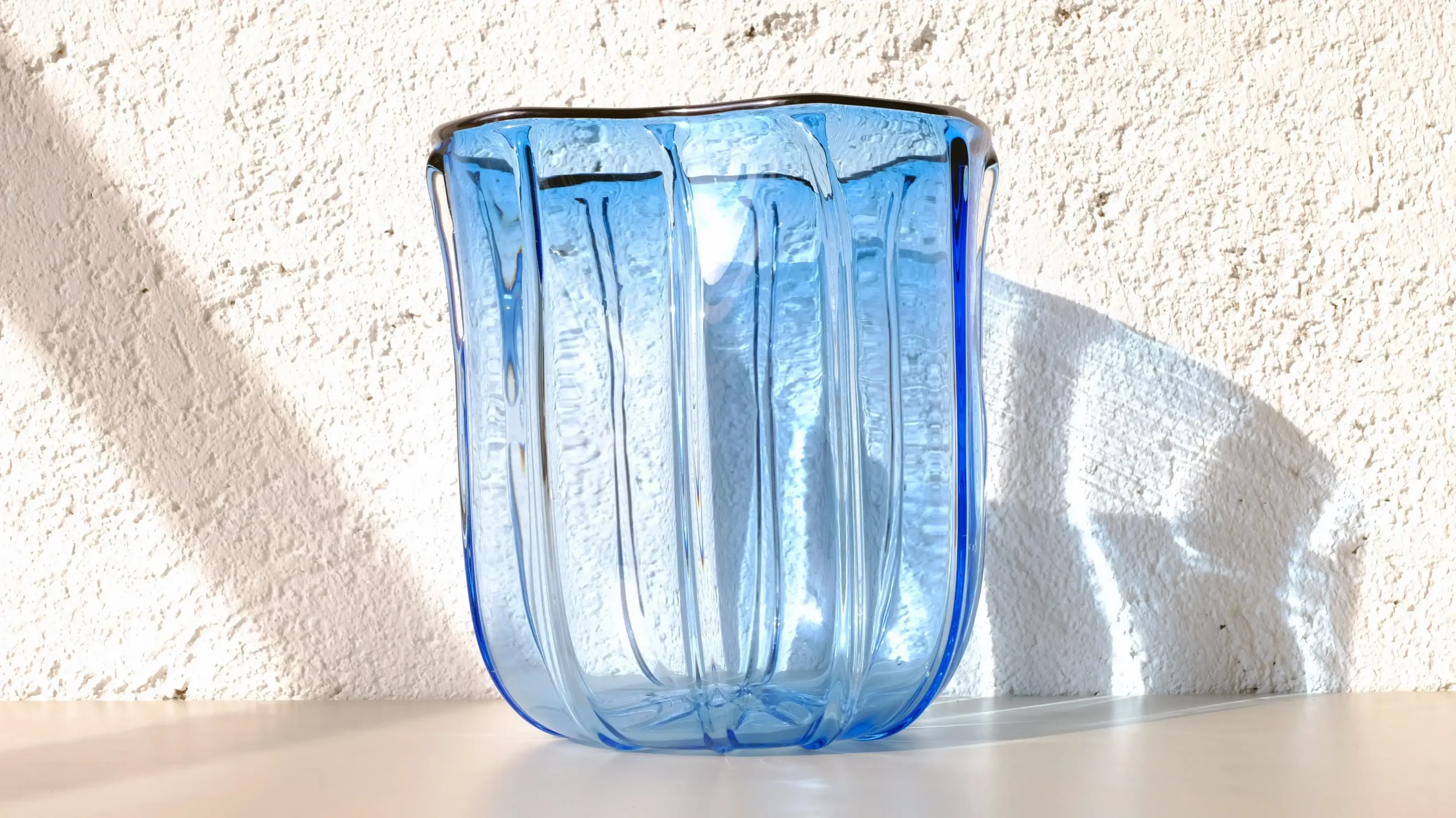
The Artistic Appeal of Stained Glass in Contemporary Homes
Traditionally associated with historical and religious architecture, stained glass designs have evolved into modern interior elements that infuse color and artistry into spaces. While minimalism leans toward simplicity, carefully incorporated stained glass designs can serve as striking focal points without overwhelming the aesthetic.
Modern Uses of Stained Glass in Minimalist Spaces
- Subtle Window Panels – Lightly tinted stained glass adds artistic depth without overpowering a room.
- Room Dividers – Geometric or abstract stained glass designs create privacy while maintaining an airy feel.
- Door Accents – Minimalist homes can integrate clear or lightly colored stained glass into doors for added elegance.
These refined glass applications bring warmth and individuality to modern living spaces, striking the perfect balance between simplicity and artistic expression.
How Unique Glass Designs Elevate Minimalist Décor
Minimalist design values authenticity and craftsmanship. Unique glass designs crafted by skilled artisans add an exclusive element to interior spaces, distinguishing them from mass-produced décor.
What Makes a Glass Design Unique?
- Handcrafted details – Unlike factory-made glass, artisanal techniques such as glassblowing and engraving result in one-of-a-kind pieces.
- Texture and patterns – Frosted, etched, and sandblasted glass introduce subtle visual interest without excessive ornamentation.
- Innovative shapes – Sculptural and asymmetrical unique glass designs serve as statement pieces in minimalist settings.
For those looking to invest in distinguished décor, collector’s favorites showcase carefully selected, artisan-crafted glass designs that complement elegant living spaces.
How to Put Designs on Glass: Techniques and Methods
Customizing glass surfaces enhances their artistic and functional appeal. Various methods allow homeowners and designers to incorporate designs on glass while preserving the minimalist aesthetic.
Popular Techniques for Glass Design
- Etching and Sandblasting – Creates frosted textures that add privacy while maintaining a sleek look.
- Engraving – Produces detailed patterns without disrupting the glass’s transparency.
- UV Printing – Offers high-definition imagery on glass without traditional painting methods.
Each technique provides a distinct visual impact, making designs on glass an essential aspect of modern minimalist interiors.
Painting with Fire: The Art of Using Colored Glass to Paint Glass
At Lonca Studio, we don’t just shape glass—we use it as our paint, our medium, and our way of telling stories. Unlike traditional glass painting, where pigments are applied to the surface, we work with colored glass itself, melting and layering it to create vibrant, three-dimensional compositions. The vibrant colors we use are achieved through chemical formulations, where metal oxides are carefully added to clear glass during production. Copper creates deep blues, gold produces rich reds, and manganese brings out purples. This process requires precision and expertise, as even slight variations in composition or temperature can alter the final hue. It’s an intricate craft—one that blends science, alchemy, and artistry, resulting in glass that carries its color within, rather than just on the surface.
How We Paint with Colored Glass
Glassblowing is often compared to painting with fire, but when you introduce colored glass, it takes on a whole new meaning. By carefully selecting and layering different hues of molten glass, we create depth, shading, and texture in ways that traditional painting cannot achieve.
Instead of using brushes, we rely on:
- Molten Glass Layers – Fusing different colors together at extreme temperatures.
- Color Rods & Powders – Adding detail and gradients as we work.
- Optical Effects – Light transforms each piece, enhancing its vibrancy.
The result? A completely unique approach where glass itself becomes the pigment, allowing colors to blend and interact organically.
Why Colored Glass?
The magic of this technique lies in its transparency, luminosity, and depth. When light passes through colored glass, it creates a living artwork—one that shifts and evolves depending on its surroundings. This technique has deep roots in history, seen in stained glass windows, but we push it further by using it in sculptural and functional art. Unlike painted surfaces, the colors in our glass are infused at a molecular level, meaning they become an intrinsic part of the material itself. No matter how many times it’s washed, exposed to sunlight, or handled over the years, the color remains just as vivid—never fading, never peeling. This permanence is what makes colored glass so unique; it’s not just decoration, but a lasting expression of fire and chemistry.
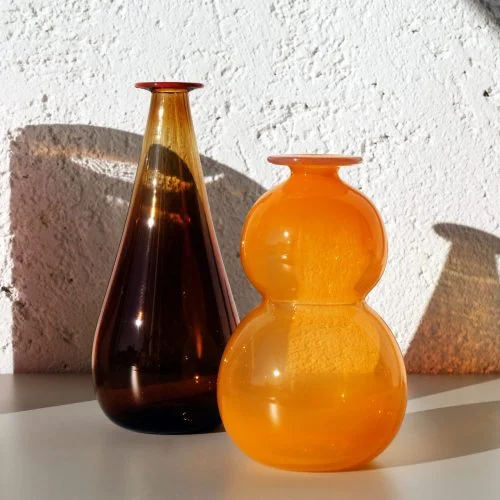
The Timeless Charm of Colored Glass Designs in Home Decor
Unlike traditional painting, colored glass designs incorporate specialized techniques that ensure longevity and vibrancy. These designs have the versatility to fit into both classic and contemporary minimalist spaces.
Why Choose Colored Glass in Minimalist Spaces?
- Durability – Professional glass paints resist fading and chipping.
- Customization – Bespoke colored glass designs can reflect personal aesthetics while maintaining simplicity.
- Versatility – Can be used in partitions, table surfaces, wall panels, and even furniture.
For those who appreciate timeless, handcrafted pieces, timeless pieces feature carefully selected artisan glassworks that blend seamlessly with minimalist interiors.
Elevate Your Space with Minimalist Glass Designs
Minimalist interiors thrive on balance, functionality, and understated elegance. By incorporating glass designs, homeowners can achieve a refined and contemporary look while enhancing openness and light flow. Whether through stained glass designs, unique glass designs, or carefully curated colored glass designs, glass remains an essential element in modern interior aesthetics.
Invest in timeless craftsmanship and transform your home with elegant glass designs that blend tradition and modernity effortlessly.
